
Tooth extraction on the Gold Coast
Sometimes removing a tooth is the right choice: when it's too damaged or infected to save, or to make room for other treatment. We talk through ways to keep the tooth first, and explain what removal involves and how to look after yourself afterwards.
Or call
(07) 5526 0111Open Monday to Friday
Why a tooth may need to come out
- Decay or damage too extensive to repair
- An infection that root canal treatment can't fix
- Advanced gum disease that has loosened the tooth
- A tooth broken below the gumline
- Crowding, before orthodontic treatment
- An impacted wisdom tooth
What happens
Exam, X-rays and your history
We look at the tooth and its roots and go through your medical history. Tell us about every medicine you take, including ones from the pharmacy or supermarket, as some affect bleeding and healing.
Numbing
The area is numbed with local anaesthetic. You'll feel pressure and movement, but tell us straight away if anything hurts.
Removing the tooth
A straightforward tooth is loosened and lifted out. A broken or impacted tooth may need a small surgical procedure, which we'll explain beforehand.
Closing up
We place gauze to help a blood clot form, and dissolvable stitches if needed. You'll leave with aftercare instructions.
Good to know
Ask about keeping the tooth
A tooth that looks beyond saving can sometimes be kept with root canal treatment or a crown. Ask about the benefits and risks of each option before you decide.
In the chair or in hospital?
Most extractions are done in the dental chair under local anaesthetic. Some complicated extractions are done under general anaesthetic in hospital.
Healing time
The gum usually takes up to about two weeks to heal.
What dry socket is
Dry socket happens when the blood clot breaks down or doesn't form, leaving bone exposed. It isn't common, but it's more likely after lower wisdom teeth and molars are removed, in people who smoke, and after a difficult extraction. The main sign is severe, throbbing pain a few days later.
Risks to know about
- Some pain, swelling and a little bleeding in the first day or two.
- Dry socket, where the clot is lost and the bone is exposed.
- Infection.
- Numbness in the lip, chin or tongue that lasts beyond the anaesthetic. This is more likely with lower back teeth and is usually temporary.
Looking after yourself afterwards
- Bite on the gauze to help a clot form.
- Rest, and skip sport and strenuous activity for the first day.
- Don't smoke or drink alcohol.
- Don't rinse your mouth for the first 24 hours, so the clot isn't disturbed.
- Rest with your head slightly raised rather than lying flat.
- Eat soft food on the other side, and take care not to bite your numb lip, cheek or tongue.
- After 24 hours, rinse gently after meals and before bed with half a teaspoon of salt in a glass of lukewarm water.
Call us if
- Bleeding that won't settle with firm pressure on gauze
- A temperature over 38°C
- Swelling that gets worse instead of better
- Pain that builds after two or three days, which can be a sign of dry socket
After hours, call 13 HEALTH on 13 43 25 84, or 000 if you have trouble breathing or swallowing.
What it costs
- 311[Fee]
Tooth removal
Removal of a tooth or part(s) thereof
- 314[Fee]
Tooth removal in sections
Sectional removal of a tooth
- 322[Fee]
Surgical removal, no bone removed
Surgical removal of a tooth or tooth fragment not requiring removal of bone or tooth division
- 323[Fee]
Surgical removal, some bone removed
Surgical removal of a tooth or tooth fragment requiring removal of bone
- 324[Fee]
Surgical removal, bone removed and tooth divided
Surgical removal of a tooth or tooth fragment requiring both removal of bone and tooth division
Fees last reviewed [Fee review date]
A straightforward extraction is billed differently from a surgical one. We'll tell you which applies after examining the tooth and taking an X-ray.
We accept all private health funds and claim on the spot with HICAPS.
We bulk bill eligible children under the Child Dental Benefits Schedule, so there's no out-of-pocket cost for covered services. Eligible children can receive up to $1,158 in benefits for basic dental services over two consecutive calendar years (2026 and 2027).
All fees and health fundsQuestions about tooth extraction
Does having a tooth out hurt?
The area is numbed, so you'll usually feel pressure and movement rather than pain. Soreness afterwards is normal and is usually managed with pain relief from the pharmacy.
When can I eat normally?
Stick to soft food for the first few days and chew on the other side. Most people go back to their usual food as the gum heals over the next week or two.
Can I go back to work the next day?
Many people do after a straightforward extraction. After a surgical extraction, plan for a day or two of rest and avoid heavy exercise.
What happens if I leave the gap?
Neighbouring teeth can drift into the space, the opposite tooth can grow further out, and the jawbone where the root was can shrink over time. That doesn't mean you must replace the tooth, but it's worth discussing.
How much does an extraction cost?
It depends on whether it's a simple or surgical extraction. We'll give you an itemised quote after examining the tooth. With extras cover, your fund may pay part of it.
Further reading
Clinical content reviewed by [Clinical reviewer and registration number] on [Review date].
Tooth extraction at The Dental Studio
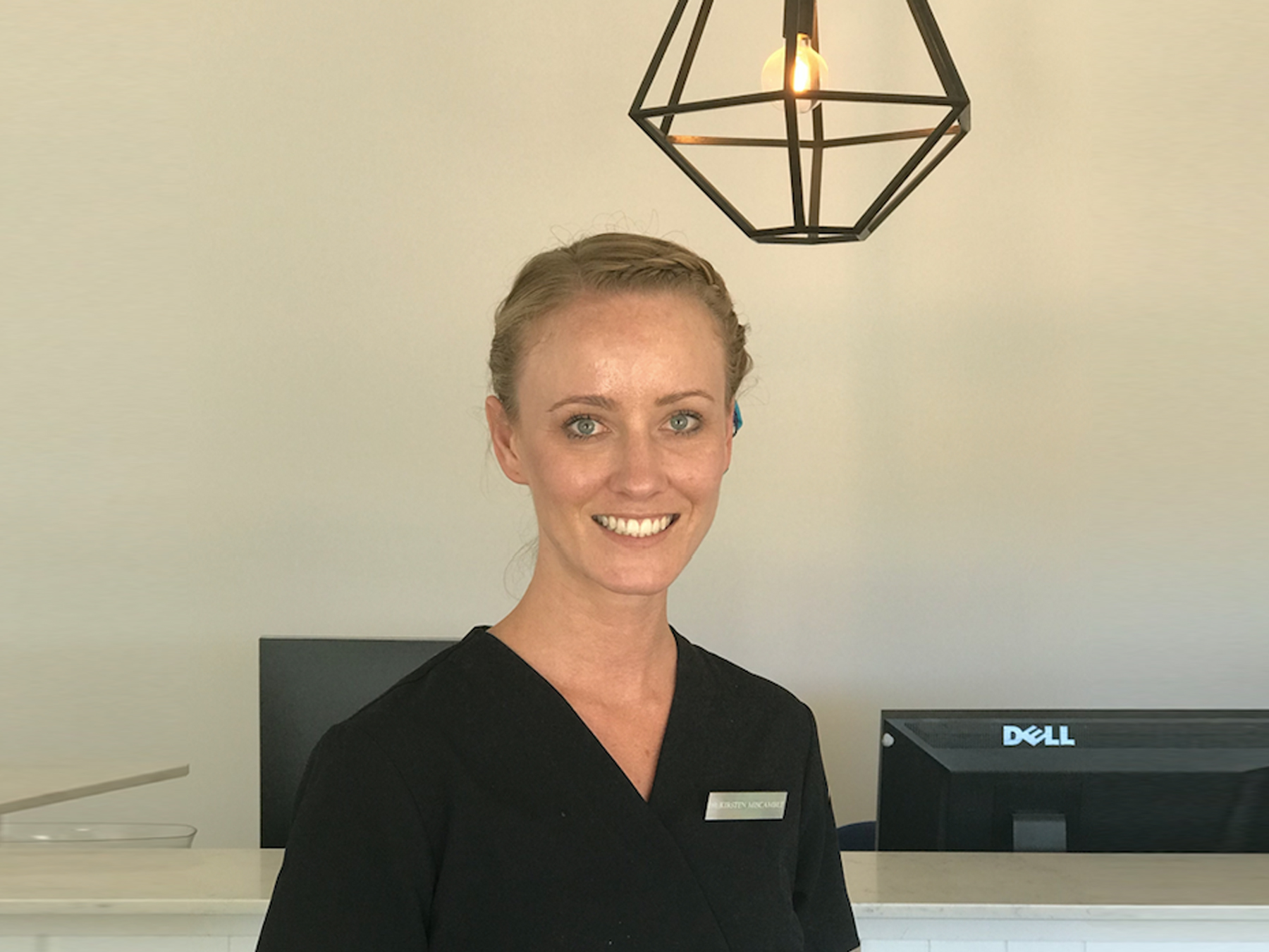
Who provides it here

[Days]
[Days]

[Days]
Referred elsewhere
[Oral surgeon or hospital for complex extractions]
If you'd like to replace the tooth later, partial dentures are fitted here, and implants are placed at our sister clinic in Robina.
Or call
(07) 5526 0111Open Monday to Friday
After hours, call 13 HEALTH on 13 43 25 84, or 000 if you have trouble breathing or swallowing.